-
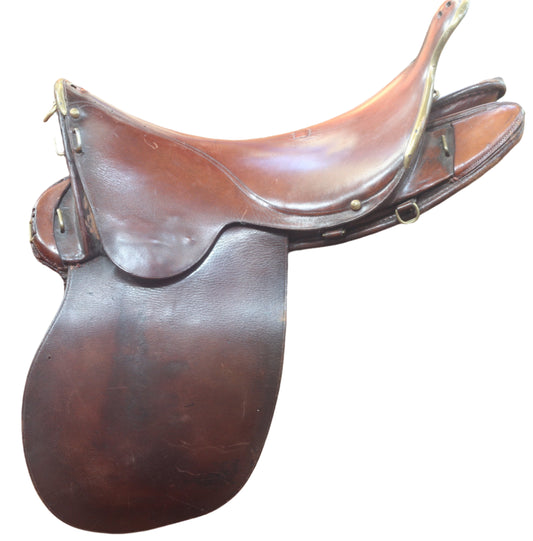
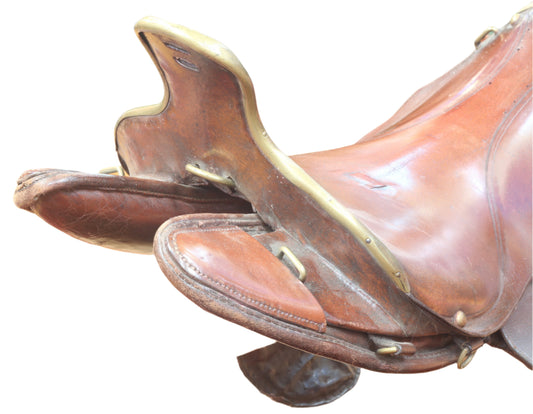
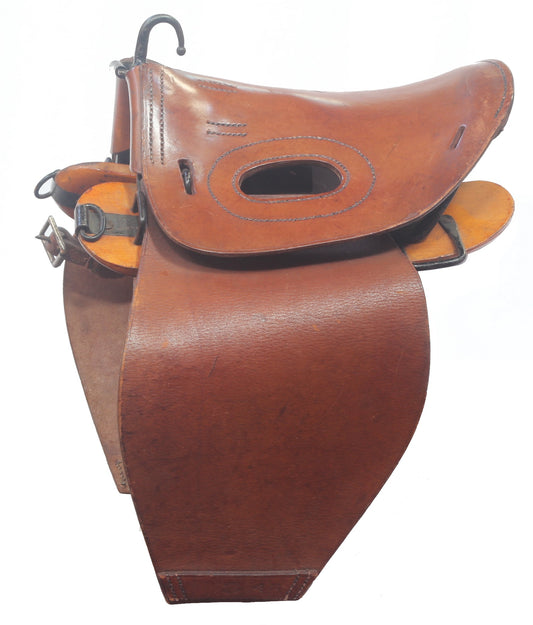
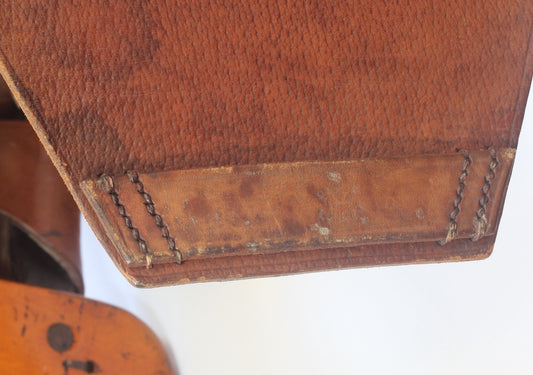
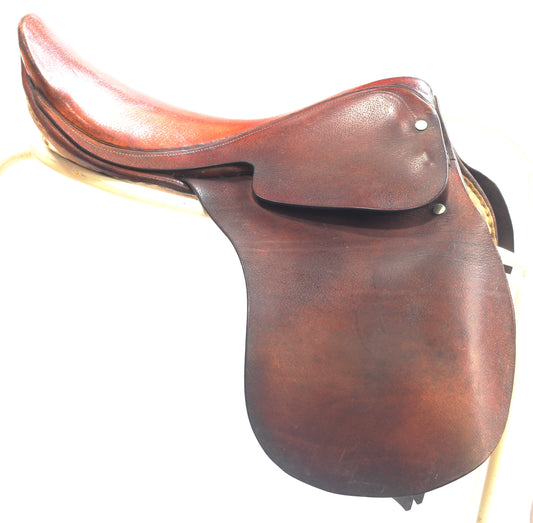
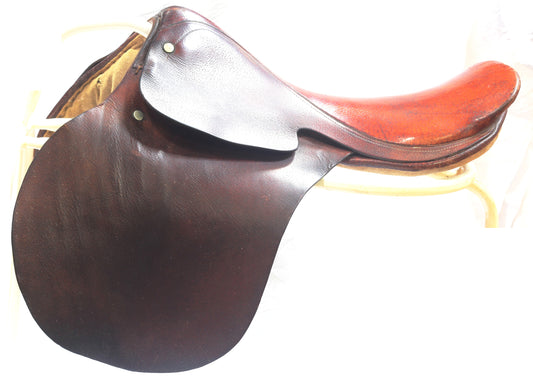
Whippy Steggall British Military Officer's Saddle 1891 Pattern - Saddle069
Regular price £720.00 GBPRegular priceUnit price per -
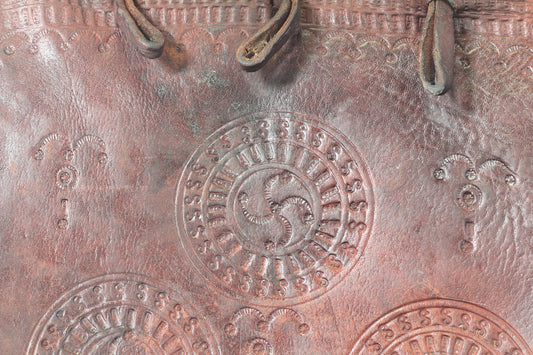
Circassian / Caucasian / Central Asian Decorated Leather Saddle Bags - Saddle072a
Regular price £85.00 GBPRegular priceUnit price per -
Antique Circassian / Caucasian / Cossack Saddle with Bone Decoration - Saddle072
Regular price £380.00 GBPRegular priceUnit price per -

 Sold out
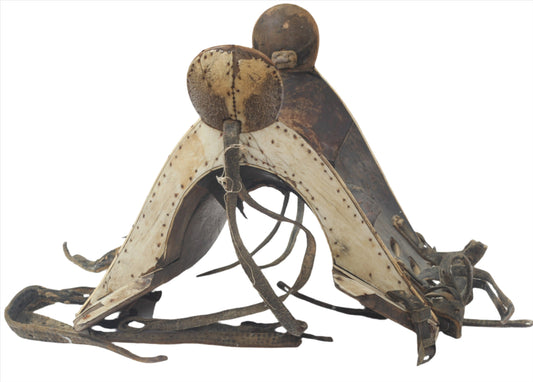
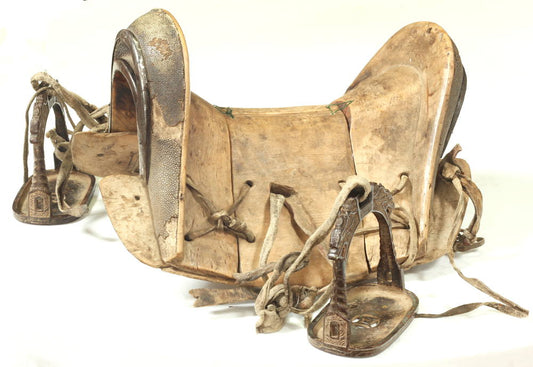
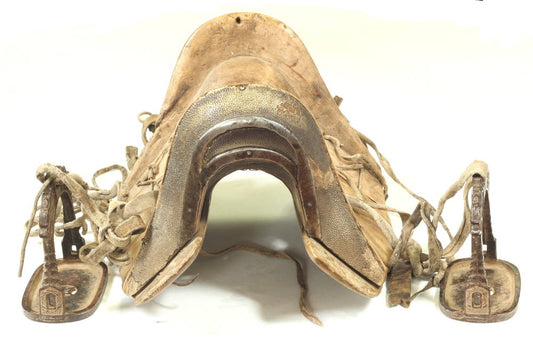
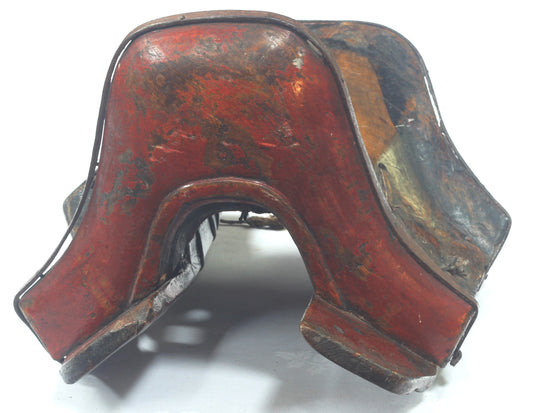
Antique Tibetan Saddle - Saddle071
Regular price £240.00 GBPRegular priceUnit price per -
1940 Rawle Artillery / Drivers saddle - saddle070
Regular price £340.00 GBPRegular priceUnit price per -
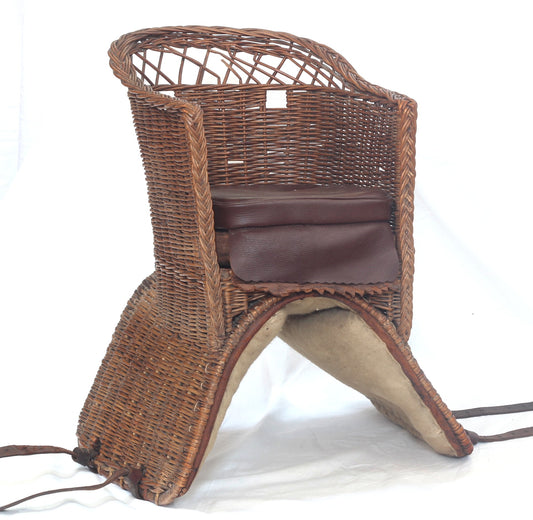
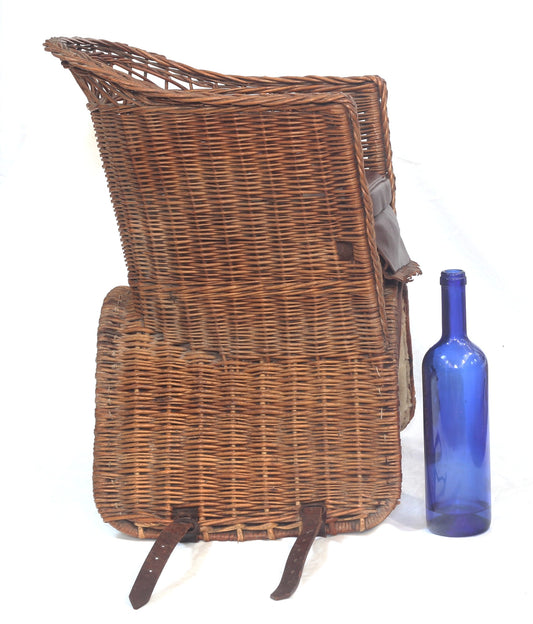
Antique Basket Saddle or Wicker Chair Saddle for a Child - saddle064
Regular price £275.00 GBPRegular priceUnit price per -
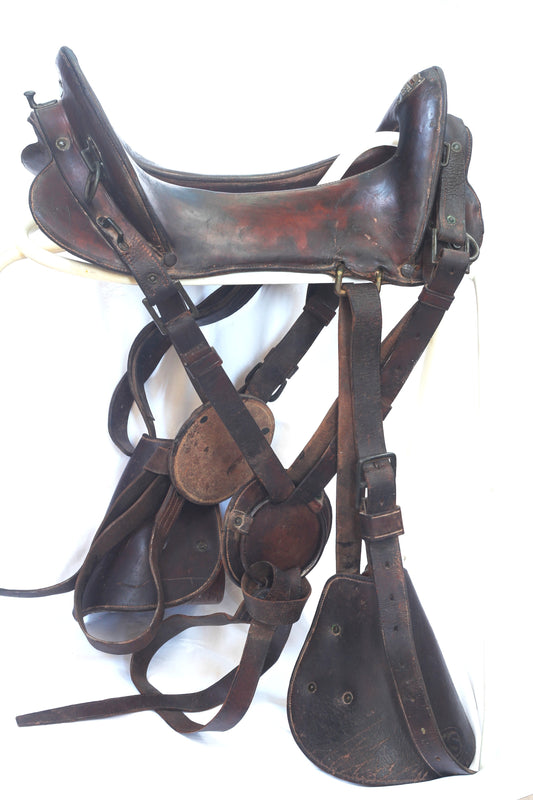
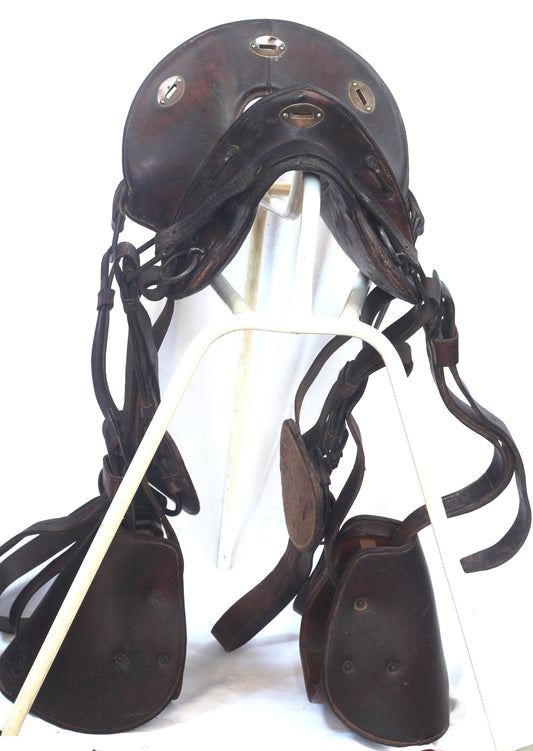
1918 McClellan Cavalry Saddle with Hooded Stirrups by Ladew - saddle065
Regular price £520.00 GBPRegular priceUnit price per -
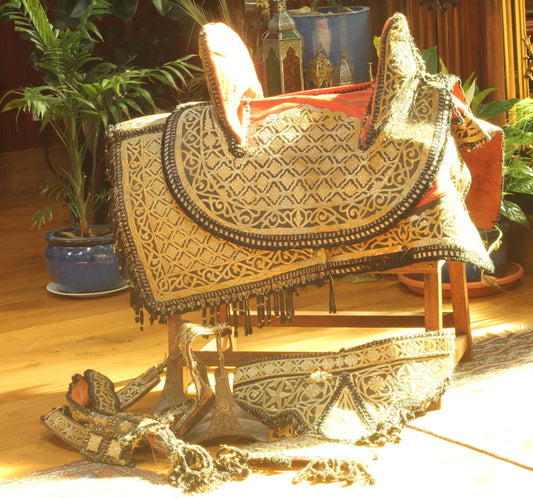
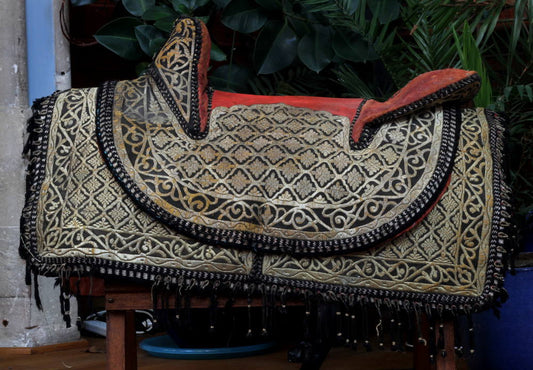
A Moroccan Saddle and Accessories - Saddle049
Regular price £1,800.00 GBPRegular priceUnit price per -
An 18th / 19th Century Chinese saddle and stirrups - Saddle054
Regular price £650.00 GBPRegular priceUnit price per -
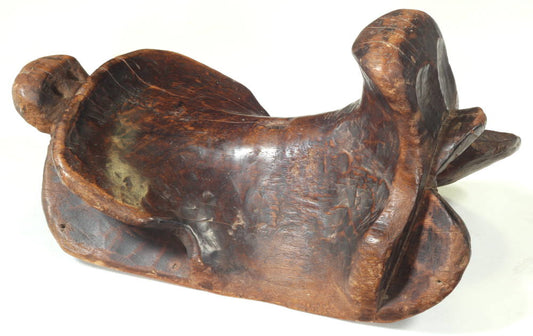
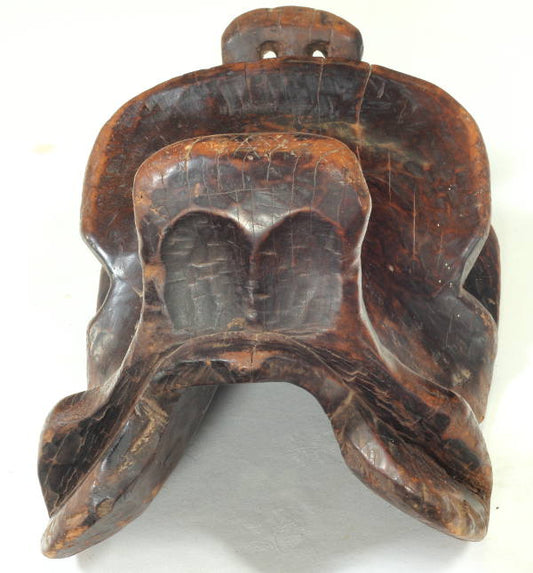
A Carved Wooden Saddle from Indonesia - Saddle055
Regular price £300.00 GBPRegular priceUnit price per -
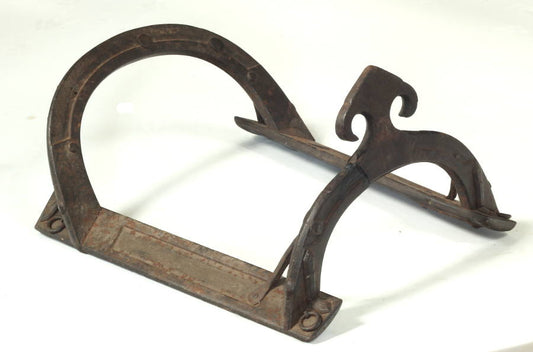
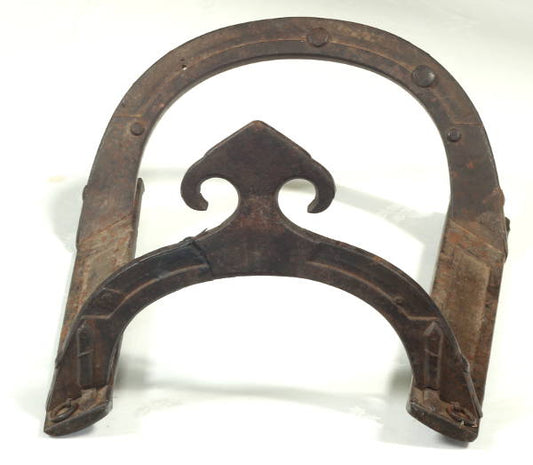
An Antique Indian Saddle Frame
Regular price £100.00 GBPRegular priceUnit price per -
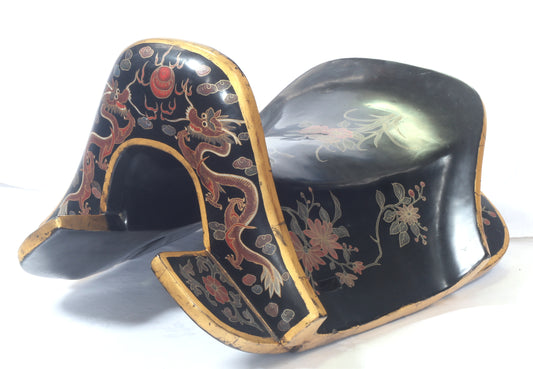
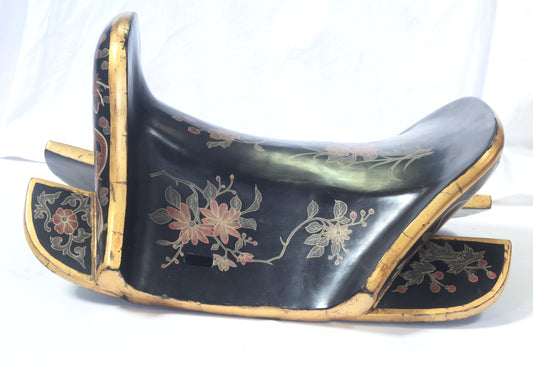
An early 20th Century Chinese lacquered saddle - saddle058
Regular price £420.00 GBPRegular priceUnit price per -
Vintage Leather Pony Club Saddle - Saddle062
Regular price £18.00 GBPRegular priceUnit price per